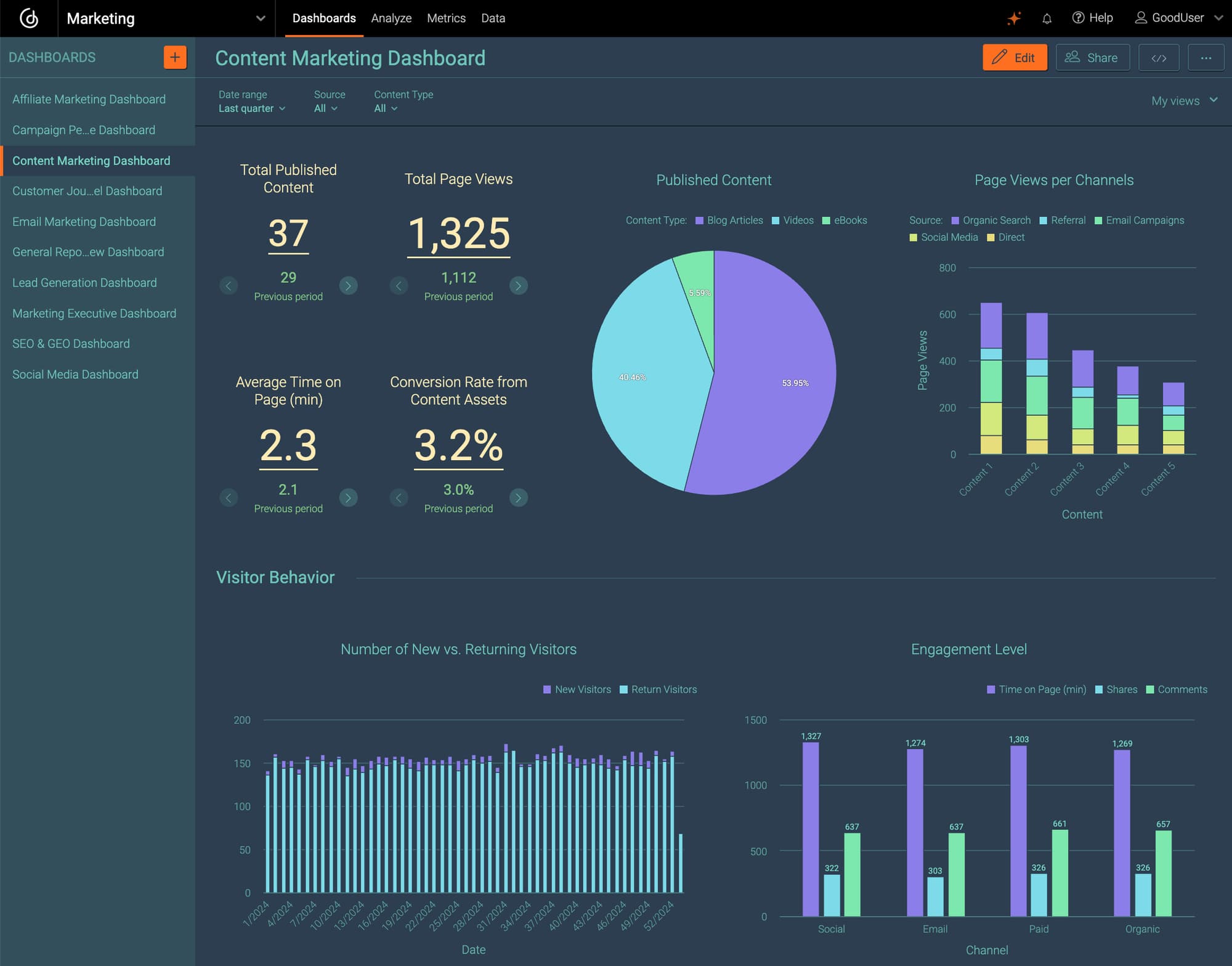
Cloud Monitoring and Observability: Complete Visibility
Implement comprehensive monitoring and observability for your cloud infrastructure and applications.
Enterprise AI has evolved dramatically from simple automation scripts to sophisticated autonomous agents capable of complex decision-making. Today's AI agents can analyze vast amounts of data, learn from patterns, and execute multi-step processes with minimal human intervention.
According to recent research, 78% of enterprises have already deployed AI agents in some form, with an additional 15% planning implementation within the next 12 months. This isn't just adoption—it's a fundamental shift in how we think about work.
"The companies that embrace autonomous AI agents will have a decisive competitive advantage."
— McKinsey Global Institute, 2026 Report
Understanding the Technology
Modern AI agents are built on large language models (LLMs) combined with specialized tools and workflows. They can:
- Process and understand natural language
- Access and analyze internal and external data sources
- Execute multi-step workflows autonomously
- Learn and improve from feedback and outcomes
- Collaborate with other agents and humans
Implementation Strategies
Successful AI agent implementation requires a strategic approach.
Assess Your Readiness
Evaluate your current technology stack and data infrastructure.
Identify High-Value Use Cases
Start with processes that are repetitive and high-volume.
Build a Pilot Program
Begin with a limited scope to demonstrate value.
Scale with Governance
Expand while establishing clear guidelines.
Best Practices
Conclusion
The future of enterprise is autonomous. AI agents are not just a technological upgrade—they's a fundamental transformation in how businesses operate and compete.